Insurance Guide
Understanding the Different Types of Landlord Insurance
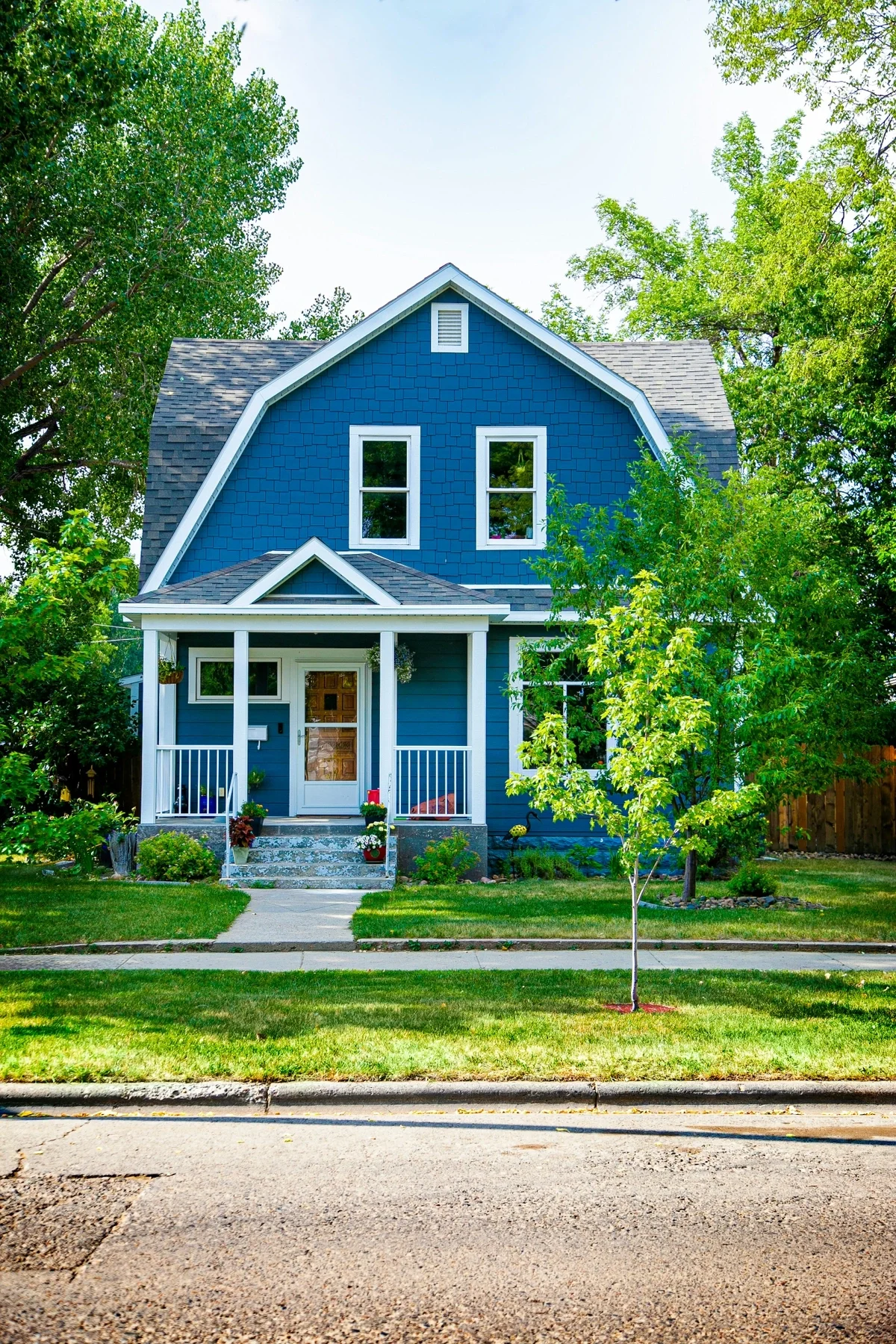
Being a landlord comes with a lot of responsibilities and potential risks. Whether you’re renting out a single unit in your basement or managing a dozen apartment buildings, it’s important to consider insurance as a risk management strategy.
But here’s the tricky part: Not all landlord insurance is the same.
In fact, there are several types of landlord insurance policies out there, and choosing the wrong one could leave you either underinsured or overpaying.
This guide provides a general overview of the main types of landlord insurance policies, what they cover, who they’re for, and considerations to help you make an informed decision based on your unique situation.
Key Takeaways
- Landlord insurance is designed specifically to help protect rental property owners against property damage, liability, and loss of rental income.
- There are four main policy types landlords should know:
- Homeowners and rental rider: For owner-occupied homes with partial rentals.
- DP3 policy: Designed for small (one to four unit) non-owner-occupied properties.
- CPP admitted: Regulated commercial package with flexible, broad coverage.
- CPP specialty: Non-admitted commercial package for unique risks, short-term rentals, or properties with claims history.
- Choosing the right policy depends on the property type, rental style (long-term vs. short-term), and underwriting considerations such as property age or claims history.
What is landlord insurance?
Let’s start with the basics. Landlord insurance is a type of insurance designed to protect property owners who rent out their homes, apartments, or buildings. It helps cover things like:
- Damage to the structure caused by things like fire, wind, or vandalism
- Liability if a tenant or guest gets injured on the property
- Loss of rental income if the property becomes unlivable
- Optional protections like equipment breakdown or damage from tenants
It’s different from regular homeowners' insurance. Homeowners' insurance is for people living in the home themselves. If you’re renting out a property, even just part of it, a policy designed for landlords is better suited for you.
Why are there different types of landlord insurance?
Rental properties come in all shapes and sizes. Some landlords own one small condo. Others manage multiple apartment buildings. Some rent long-term. Others do short-term Airbnb rentals. Because these risks (and needs) are different, insurance companies offer different types of landlord insurance policies.
Understanding each type can help you choose the right coverage and avoid costly mistakes.

The four main types of landlord insurance policies
Let’s break down the four most common landlord insurance policies you’ll come across.
1. Homeowners insurance with a rental rider
If you live in your home and rent out just part of it—like a room or a basement—you might be able to add a rental rider to your existing homeowners policy. This is the most basic type of landlord coverage.
Designed for: Homeowners renting out a portion of their home
Coverage: Covers your main residence, with limited rental protections
Short-term rentals: Usually not allowed
Cost: Low
Typical use case: Renting out a basement suite while living upstairs
This option is simple and inexpensive, but it offers limited protection for rental-related risks. It’s likely not suitable if you’re renting out an entire unit or property you don’t live in.
2. DP3 (Dwelling Property 3) landlord policy
The DP3 policy is built for landlords who own one- to four-unit properties that they don’t live in. It’s one of the most popular policies for small landlords with long-term tenants.
Designed for: Landlords with one to four non-owner-occupied units
Coverage: Structure, basic liability, and some loss of rental income
Short-term rentals: Rarely allowed
Flexibility: Moderate, may not accept older roofs or previous claims
Cost: Budget-friendly
Typical use case: A small duplex or triplex with year-long leases
DP3 policies can be a great “starter” landlord insurance policy, especially for smaller residential properties where the owner is hands-off.
3. CPP admitted (Commercial Package Policy)
CPP stands for Commercial Package Policy. The “admitted” part means the policy is approved and regulated by your state’s insurance department. These can be great for larger properties or landlords who want more flexibility and coverage options.
Designed for: Landlords with well-maintained rental buildings
Coverage: Structure, liability, rental income, equipment, and more
Short-term rentals: Sometimes allowed
Flexibility: Good, often accepts older buildings in good shape
Cost: Mid-range
Typical use case: A multi-family property with reliable long-term renters
CPP admitted policies can offer a lot of value. They’re usually seen as a step up from DP3, with more built-in protections and room to customize.
4. CPP specialty (non-admitted Commercial Package Policy)
These policies are written in the excess and surplus (E&S) market, which isn’t bound by the same state regulations. That gives insurers more flexibility to cover properties that don’t meet standard underwriting rules.
Designed for: Harder-to-insure or non-standard rental properties
Coverage: Fully customizable, including specialty risks and short-term rentals
Short-term rentals: Often allowed
Flexibility: Extremely high, great for older homes, past claims, and Airbnbs
Cost: Highest
Typical use case: An older apartment building with a mix of Airbnb and long-term units
CPP specialty policies are for landlords who don’t necessarily fit the standard “admitted” box. If your property has a unique setup or a history that makes standard insurance tricky, this may be your best option.
Comparing the different landlord policy types
To make it easier to compare your options, here’s a side-by-side summary:
Where Honeycomb fits into the landlord insurance landscape
At Honeycomb Insurance, we specialize in helping landlords find the best policy for their unique properties. We write and support the policies that make the most sense for most landlords:
- CPP admitted: For well-kept rental properties that deserve strong coverage and better pricing.
- CPP specialty: For quality properties with unique rental setups, short-term rental models, or properties with claims history.
- DP3: Available through our partner carriers for small property owners with traditional rental units.
Note: We don’t currently offer homeowners policies with rental riders, as they’re outside the scope of landlord-focused protection.
Choosing the right policy
Having the right insurance isn’t just about checking a box; it’s about protecting your investment. A poorly chosen policy could leave you uncovered in the event of:
- Fire or major damage
- Injuries on the property
- Loss of rent
- Equipment breakdown
Understanding the different types of landlord insurance policies is the first step in protecting your rental property the smart way. Each policy type fits unique and different requirements, and the right one depends on your property, rental style, and risk tolerance.
You’ve worked hard to buy and manage your rental property, and a well-suited policy for your unique situation can help you see the return on that investment.
At Honeycomb Insurance, we’re here to help landlords like you find policies that match real-world needs. Whether you have a well-kept apartment building, a small rental home, or a quirky vacation rental setup, we offer flexible coverage options that make sense—and we make the process simple.
Ready to protect your investment with the right policy? Get a quote today and discover how easy landlord insurance can be when it actually fits your needs.
Frequently asked questions about landlord insurance types
Do I legally need landlord insurance?
No, it’s not a legal requirement. But if you have a mortgage, your lender will almost certainly require it. Even without a loan, going uninsured can be risky.
Can’t I just use a regular homeowners policy?
Likely only if you live in the property and are renting out part of it; otherwise, you’ll need a true landlord insurance policy to be protected properly.
Is a specialty policy really worth the cost?
If your property has unusual risks, prior claims, or you use it for short-term rentals, it can help prevent costly coverage gaps.
How do I know which policy I need?
Start by asking yourself how you use the property:
- Do you live there or not?
- Is it a short-term or long-term rental?
- Does it have any unusual risks or history?
Once you’ve answered these, you can narrow down the right policy type—or talk to a provider like Honeycomb to help match your needs.
Disclaimer:The information provided in this article is for general informational purposes only and does not constitute legal or insurance advice. Underwriting practices, tools, and criteria may vary by insurance carrier and are subject to change. The examples provided are not exhaustive and may not reflect the specific underwriting process used for your property. Honeycomb Insurance does not guarantee that addressing these items will result in coverage or favorable pricing. For guidance specific to your situation, please consult with a licensed insurance professional. This content is not intended to create, and receipt of it does not constitute, an insurance broker-client relationship.
.webp)