Insurance Guide
What is a Squatter? 2026 Guide for Property Owners
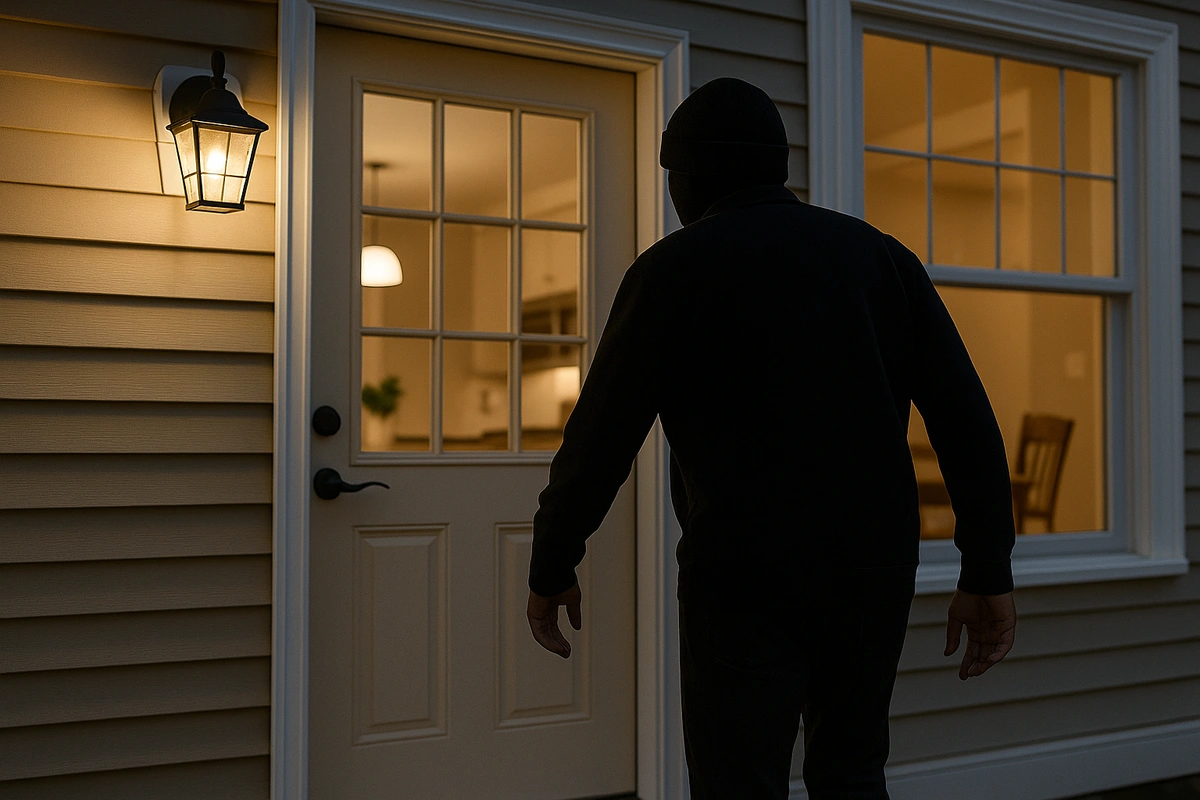
If you own rental properties, vacation homes, or real estate investments, the last thing you want to deal with is a squatter. But exactly what is a squatter? And why is it something landlords and property owners need to take seriously?
This guide breaks it all down in simple terms. We'll cover:
- What squatters are,
- How do they get into properties,
- What rights they may have,
- And how you can protect your property.
What is a squatter?
A squatter is someone who moves into and lives in a property without the owner’s permission. They have no lease, no rental agreement, and no legal right to be there. Unlike tenants, squatters enter properties without any official contract or approval.
Squatters often show up in properties that seem abandoned or neglected. They might move in quietly and stay long-term, which can create serious challenges for the property owner.
Key features that define a squatter:
- They occupy the property without permission.
- They do not have a rental or lease agreement.
- They may attempt to claim legal rights over time if not addressed.
How do squatters differ from trespassers and tenants?
It’s important to understand how squatters differ from trespassers and legal tenants, because each situation requires a different response.
- Tenants have a signed lease or rental agreement that allows them to live in the property legally.
- Trespassers enter a property without permission but usually leave quickly once discovered.
- Squatters stay on the property long-term, often acting as if they own or have a right to stay, which can create complicated legal situations.
The longer a squatter remains in a property undisturbed, the more complicated removing them can become.
How do squatters gain legal rights?
In some cases, squatters may attempt to claim ownership of a property through a legal concept called adverse possession, also known as “squatters’ rights”.
While this is rare, it can happen under specific conditions, depending on state laws.
For a squatter to claim adverse possession, several things usually need to happen:
- Continuous possession: They must live on the property without significant breaks for several years.
- Open possession: They do not hide their presence and act like they live there.
- Exclusive possession: They live in the property without sharing it with others or the owner.
- Hostile possession: They are on the property without permission.
If these conditions are met for the full legal timeframe, a squatter could attempt to gain ownership through adverse possession. However, this process is extremely difficult and rarely succeeds if property owners stay proactive.
How long does adverse possession take?
The length of time squatters need to occupy a property to claim adverse possession depends on state laws:
Most states require long-term, uninterrupted occupation before any legal claim can even be attempted. Acting early can prevent squatters from reaching these timelines.
Signs that squatters may be in your property
Spotting a squatter early makes removal much easier. Look out for these common signs:
- Doors or windows left unsecured or broken
- New belongings appearing in or around the property
- Unauthorized maintenance or repairs being done
- Unexplained spikes in utility usage
If you notice any of these warning signs, investigate! It’s important to investigate immediately.
The risks squatters create for property owners
Squatters can cause serious problems for landlords and property owners. These risks include:
- Delays in reclaiming possession: Legal eviction processes can take months.
- Legal expenses: Attorneys, court costs, and related fees can add up quickly.
- Property damage: Squatters may not take care of the property, leading to costly repairs.
- Reduced property value: Potential buyers may avoid properties with ongoing occupancy issues.
The longer squatters stay, the more complicated and expensive things can get.
What to do if you find a squatter on your property
If you discover squatters in your property, stay calm and act carefully. Here’s a list of potential actions to take:
- Document everything: Take photos, videos, and notes about any unauthorized changes or damage.
- Attempt respectful communication: In some cases, a simple conversation can resolve the issue if it’s a misunderstanding.
- Check local laws: Understand the legal eviction process in your area.
- Send a formal eviction notice: In most places, you must start the legal process with a written notice.
- Seek legal help: If squatters refuse to leave, a real estate attorney can guide you through formal eviction proceedings.
Taking the right legal steps early can save you time, money, and unnecessary stress.
How to prevent squatters from occupying your property
The best way to handle squatters is to prevent them from getting in at all. Here are simple, proactive steps to help keep your properties secure:
- Inspect your properties regularly. Frequent visits deter unauthorized occupants.
- Maintain the exterior. A well-maintained property looks occupied and discourages squatters.
- Secure all doors and windows. High-quality locks, security systems, and lighting are simple but effective.
- Shut off utilities if the property is vacant for extended periods.
- Get neighbors involved. Neighbors can alert you if they notice unusual activity.
Consistent property management greatly reduces the risk of squatters targeting your real estate.
Why understanding squatters is so important in 2025
Squatters remain a serious threat as real estate investors face growing housing shortages, rising vacancy rates, and more frequent property turnover. Long-distance landlords, vacation rental owners, and multifamily investors are especially vulnerable.
Being proactive — through inspections, maintenance, proper insurance, and fast action — can make all the difference.
Protect your property with the right insurance
Even the most diligent landlords and condominium associations can run into unexpected challenges. That’s where having the right real estate insurance makes a big difference.
At Honeycomb Insurance, we help property owners protect themselves against:
- Loss of rental income
- Damage from unauthorized occupants
- Legal expenses related to eviction processes
- Vandalism and property damage
Honeycomb specializes in insurance for landlords and condo associations. With competitive pricing, flexible coverage, and a 4.5/5 rating on Trustpilot, we’re trusted by over 20,000 property owners across the country.
Get a free quote today and protect your properties with confidence.
Disclaimer:The information provided in this article is for general informational purposes only and does not constitute legal or insurance advice. Underwriting practices, tools, and criteria may vary by insurance carrier and are subject to change. The examples provided are not exhaustive and may not reflect the specific underwriting process used for your property. Honeycomb Insurance does not guarantee that addressing these items will result in coverage or favorable pricing. For guidance specific to your situation, please consult with a licensed insurance professional. This content is not intended to create, and receipt of it does not constitute, an insurance broker-client relationship.
.webp)